ecosystem map

OPPORTUNITY, NOT PROBLEM

To understand the behavior of refugees in NYC, with a focus on legal requirements to daily activities, from recent settlement to two years in.

To understand the unique skills of refugees as related to language, cooking, entrepreneurship, and business.

To understand the emotional needs of refugees, with a focus on family, transitioning, and trauma.

1. Resource providers: IRC, Natakallam, Arab American Family Support Center, Maha Chocolate, Eat Offbeat, Sisterhood of Selam Shalom, Interfaith Voices

2. Key allies and complimentary movements:  Arab American Family Support Center, need to find more

3. Key stakeholders:  refugees, immigrants, social workers, entrepreneurs

4.Opponents and problem makers:  politicians, Trump,

5.Influential bystanders:  now-settled refugees

STEP 2: Identify the environmental conditions

1. Politics and administrative processes and structures: travel ban, current immigration laws, systemic racism, the wall

2. Economics: economic health, distribution of wealth, growth of markets, trends in fundraising

3. Geography & infrastructure: Arab and Eastern refugees have more restricted access than South American refugees, many refugees don’t have working

4. Societal norms and culture: norms, beliefs, values, cultural memes, social networks, demographic trends

5. Research:  scientific breakthroughs, relevant studies, impact trends

STEP 3: Create a visual map Many organizations complete steps one and two above in traditional strategic planning processes, but don’t take the next step of putting it all together in the form of a drawing or diagram. But if you do, that can be when the real insights and connections happen. 

STEP 4: Strategize! Ultimately, your map is useful only if it leads to insights and action plans: building more promising pathways for change, exploring new partnerships, identifying ways to change conditions in the external environment, determining more effective operating practices, etc.    With that in mind, make sure you devote time to reflect and draw conclusions.  Sometimes, it’s as simple as asking a few powerful questions to get dialogue going, listening carefully to the discussion that follows, and following the discussion through to the farthest point possible.  Here are a few suggestions:

1. What are the dilemmas or opportunities we see in our ecosystem map?

2. What conditions in our environment most need to change in order for us to make headway on our issue, and how can we influence and encourage that change? 

3. Are there key players or roles missing from our ecosystem? 

4. Is our organization (still) relevant? What new innovations or functions might we introduce to our ecosystem that would have the most positive impact? 
information needed

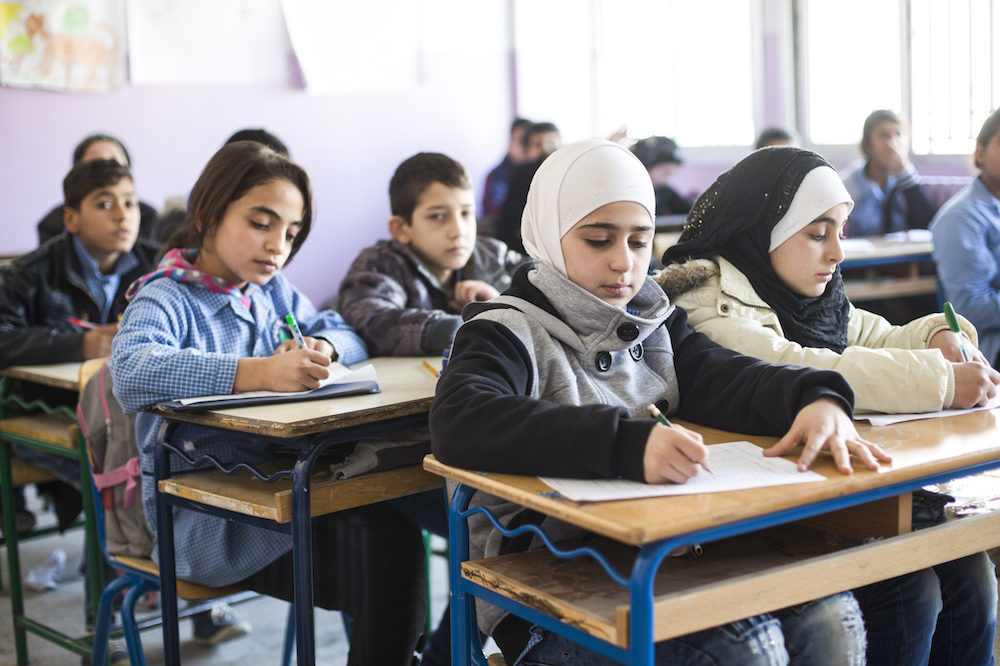
Image result for syrian students

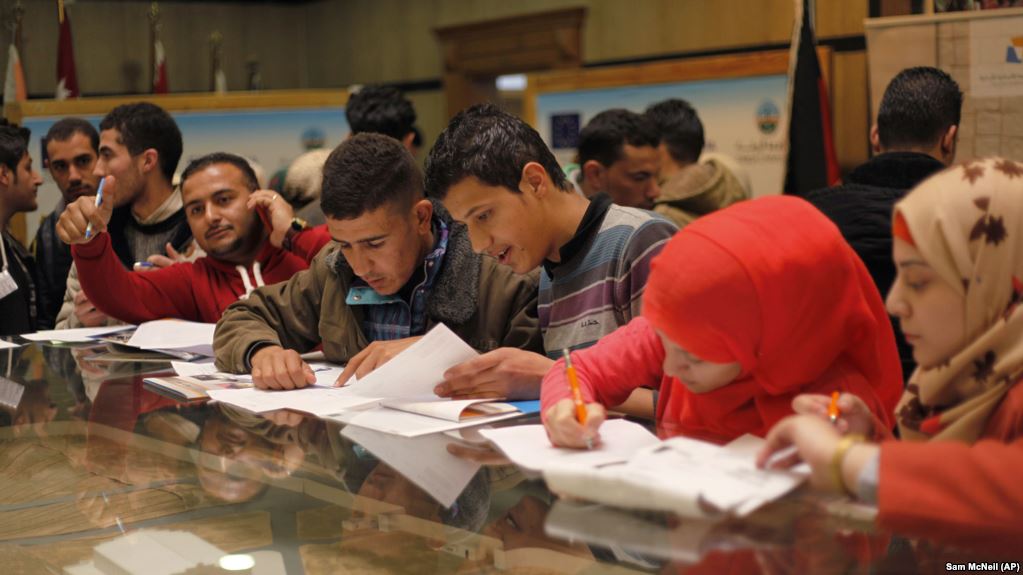
For both adult and child populations, the information I really need to understand is what are the biggest issues and barriers that refugees deal with. This could be language, finding work, health, community, more. Undoubtedly, they are all interrelated. This information is important because of the hierarchy of needs.

These issues are all building blocks.

For example, language is used not only to communicate logistics, but also emotions. Language development is extremely important for children working through trauma, who need to process their emotions and also express them. Language is important for reframing and working through biases, which adults and children need to understand. Logistically, language is almost always crucial if you want to get a job in NYC.

To gain access to this information, I really need to find refugee populations. I know there are many in NYC, but I need to get into these communities, build trust, and start to understand their struggle.

The other information I really need to understand is the ratio and accessibility of both Arab and non-Arab refugees in the NYC area. I am drawn to Arab refugees because I know the language, and I’m more familiar with the struggle, especially with Syrians. I need to understand if there are enough Arab refugees in NYC for me to access and work with.

research plan

Image result for syrian children learning

Teaching pre-school in Istanbul really revealed to me how rewarding it is to work with children. And as the most vulnerable population of refugees, it seems an obvious choice. My three years lesson planning and teaching in Istanbul is a great preparation. I’m most worried about finding and maintaining an available refugee child population to do research.

So, I tackled two research plans, one with a child population and one with adults.

Adult (Arab) Refugees in New York City

Objectives

  • To understand the range of issues that refugees deal with when moving to NYC
  • To understand the range of attitudes and behaviors of refugees relating to resettlement, job application, cultural adjustment process, future aspirations, and how they evolve.
  • To understand the types of factors which currently determine their resettlement process as related to finding work, community, and learning the culture. 
  • To identify which actions can be taken to make an impactful difference to their resettlement in the short and long term

Key Questions

  • How do attitudes and behaviors of refugees evolve pre and post resettlement?
  • How do refugees currently find jobs? 
  • What communities to refugees rely on throughout resettlement? Home country, general NYC community, religious community, non-profit support?

What’re their thoughts on the people they rely on? How is trust exchanged?

  • What’re their biggest barriers to finding jobs? How do they get past them? 
  • What’re refugees short term goals and long term goals? What are their pressing priorities? Work? Language? Cultural boundaries?
  • What’re their core needs and on what basis do they differ? Country of origin? Time since resettlement? Class? Education level?
  • What areas of their life are effected by changing policy? 
  • How has the travel ban affected refugee communities and support programs?

Outcomes

  • An understanding of how resettlement can change priorities
  • Mapping how various factors influence integration success, with an understanding in barriers
  • Contextual understanding of how political climate has changed the refugee experience

Methodology

Recruitment

  • Recruit participants through Arab American Family Support Center
  • Recruit through Mosques in Astoria, refugee-populated communities

Activities

  • Surveys to quick gather quantitative and comparative data of the various communities demographics and their struggles
  • One on one

Sample Considerations 

  • What age and gender are more likely to get refugee status?
  • Even spread of recent arrivals and long-term 
  • Even spread of refugees brought on various programs (religious sponsors, 
  • Even spread of refugees on the persecution categories: race, religion, nationality, membership of a particular social group, or political opinion. (?)

Child Refugees in New York City

Objectives

  • The factors that determine their relative success in integrating into American/NYC communities
  • To understand the range of behaviors and coping mechanisms children have with the transition and resettlement
  • To understand the types of education children are currently getting
  • To identify what can make an impactful difference in their transition: education, SEL, language, parent/mentor development
  • The types of factors that determine their access to education 
  • What current support systems they’re receiving 
  • Biggest barriers to integration

Key Questions

  • What has most aided refugee children in their integration process?
  • What has held refugee children back from successfully integrating?
  • How do coping behaviors develop? Are they learned at home or outside?
  • What kind of extra educational support to refugee children receive?  What is the curriculum from? 
  • What determines their access to education? Neighborhood? Family money? Assistance programs?
  • What’re the barriers to integration?  Are these being currently addressed in any way?
  • What percentage of children have with one parent or less? How much do they rely on surrounding communities, and for what?

Outcomes

  • Understanding of greatest barriers and successes for children’s education and integration
  • Family demographics and how those affect the children

Methodology

Recruitment

  • Arab American Family Support Center
  • Surrounding Mosques
  • Schools

Activities 

  • Games to reveal insights about their behaviors 
  • One on one conversations, with parent or guardian present to make comfortable

Sample Considerations 

  • Ages 5-13
  • Children with various home situations, one-parent, two-parent, etc.
  • Even spread of recent arrivals and long-term 

reframing refugees

Which focus area are you feeling drawn to? Why?

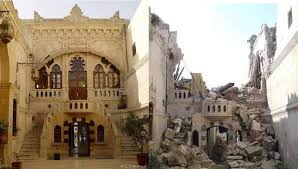
I’m drawn to designing approaches to dealing with the current refugee crisis. I’ve been passionate about this project ever since I was living in Istanbul among Syrians and saw first-hand how debilitating it is to be forced out of your home. I saw how war tears life apart from every angle, and how it continues on with no sign on stopping.

More recently, I’m drawn to education in emergencies, and specifically, education for refugees. I’ve always loved children, and my 3 years of teaching experience showed me how much agency a teacher has to change their student’s futures.

I’ve been thinking about making a SEL program for young refugee/immigrant children to ease into their life in the US.

What will be your greatest strength and greatest challenge when it comes to doing your thesis? Why?

My greatest strength will my passion for this topic. I have so many loved ones affected by it, and this has called me to action more than anything else in my life. However, as I’m refocusing my thesis onto American ground rather than Gaziantep or Zaatari as I had imagined, I realize that I will also need to become emotionally connected to the refugees and immigrants in America, which may not be Syrian or even Arab. The American context is one that I’m less aware of and less connected to, even though the need is the same.

What do I need to do moving forward?

I need to make connections, and start focusing in one the way that I want to help the refugee crisis. I need to explore the different projects that currently exist, understand their goals and success metrics.

Questions to Think About

Can I have children as a study group? How does that work for measure success? How can I get a committed group?

What’re the other routes to helping refugee/immigrant assimilation?

What’re the various resources in NYC for refugees and immigrants? How much do they use these sources?

What’re the biggest post-transition difficulties for refugees? Language? Job? Culture? When I know these, I can understand how to approach the issue.

Image result for ai wei wei dropping
Image result for syria inspiring
Image result for natakallam
Image result for countries syrians can visit without visa
Image result for sisters of salaam shalom
Image result for hias
Design a site like this with WordPress.com
Get started